Living abroad is one of the most rewarding decisions a person can make, but it comes with a unique set of financial challenges that most personal finance content completely ignores.
The advice written for domestic audiences rarely applies when you’re navigating foreign bank accounts, multiple tax jurisdictions, fluctuating currencies, and a home country that may still have a claim on your income.
The good news? Expats who get their financial strategy right often build wealth faster than their peers back home.
Lower cost of living, geographic arbitrage, and access to emerging markets can give you a serious edge if you know how to use them.
This guide breaks down exactly how to do it in 7 concrete, actionable steps.
Why Building Wealth as an Expat Is Different (And Why That’s an Advantage)
Before diving into the steps, it’s worth understanding what makes expat wealth-building distinct.
You’re likely earning in one currency while spending in another. You may be subject to tax treaties or the absence of them.
Your banking relationships span borders. Your investment options might be limited by your citizenship or residency status. And your long-term plans may include moving countries more than once.
Each of these variables can either erode your wealth or accelerate it, depending on how you handle them.
Expats who ignore these factors often find themselves earning well and still falling behind. Those who address them head-on build portfolios that would be impossible to live in a single country their entire lives.
Let’s get into the steps.
Step 1: Build a Solid Financial Foundation in Your Host Country
The first mistake expats make is treating their time abroad as temporary, even when it isn’t. If you don’t commit to building a real financial foundation in your host country, you’ll spend years paying higher prices, missing out on local investment opportunities, and living in financial limbo.
Open a local bank account as soon as possible
A local account gives you access to lower fees, better exchange rates on daily transactions, and the ability to build a local credit history.
Many countries, including Mexico, offer both peso and dollar-denominated accounts at major institutions like BBVA, Santander, and Banorte.
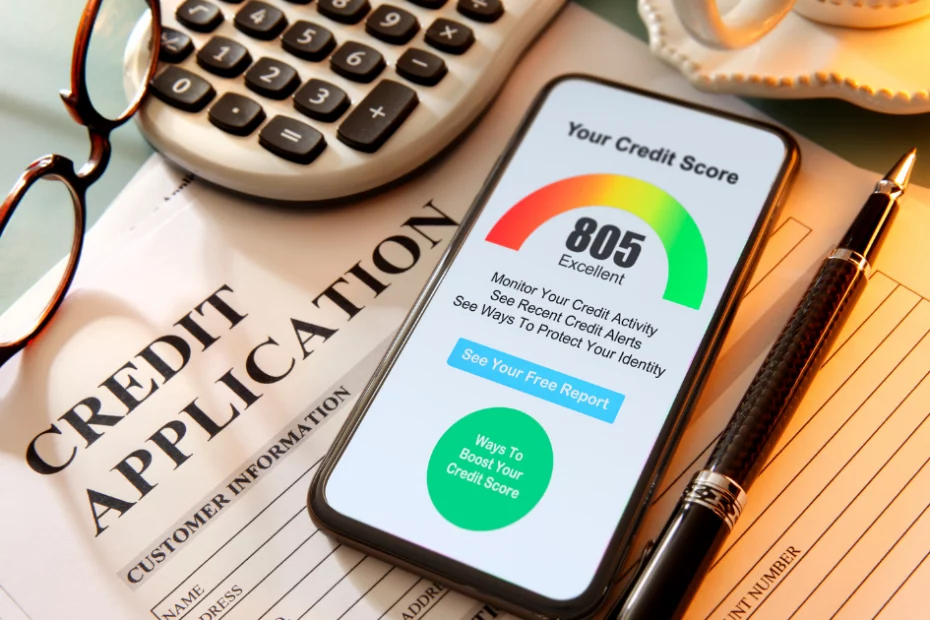
Establish local credit
Even if you have excellent credit back home, it means nothing abroad. A secured credit card or a small personal loan, paid consistently, starts building your local financial identity.
This becomes important later when you want to take out a mortgage or access favorable lending terms.
How to Build Credit History in a New Country
Get your legal residency status formalized
Whether you’re on a temporary residency permit or a permanent one, your legal status affects your tax obligations, your ability to open accounts, and your investment options. Don’t delay formalizing this step.
Build a local emergency fund
Keep 3–6 months of local expenses in a liquid, local-currency account. This protects you from currency conversion emergencies and gives you stability if your income source is interrupted.
Step 2: Master the Currency and Exchange Rate Game
Exchange rate risk is one of the most underestimated threats to expat wealth and one of the greatest opportunities, if you know how to manage it.
Understand the direction of your exposure
If you earn in USD or EUR and spend in Mexican pesos (or another emerging market currency), you benefit when the local currency weakens and suffer when it strengthens. Knowing this lets you plan accordingly.
Avoid daily retail exchange rates
Banks and airport kiosks charge massive spreads. Use services like Wise (formerly TransferWise), Revolut, or local cambios with competitive rates for regular transfers.
On large transfers such as for real estate, even a 0.5% difference in exchange rate can cost thousands of dollars.
Time large conversions strategically
You don’t need to be a forex trader, but keeping an eye on major currency trends can save you meaningful money.
Convert larger sums when rates are favorable and keep smaller buffers in local currency for day-to-day expenses.
Consider holding assets in multiple currencies
A diversified currency position, some in USD, some in local currency, potentially some in EUR or another stable currency, hedges against any single currency’s volatility.
Geographic arbitrage is real
If you earn a developed-world salary and spend in a developing-world cost structure, your savings rate can be dramatically higher than it would be back home. Maximize this window while it exists.
Step 3: Resolve Your Tax Situation
Tax complexity is the single biggest wealth destroyer for expats who don’t address it proactively. It’s also one of the areas where getting professional advice pays for itself many times over.
Understand your home country’s tax obligations
U.S. citizens, for example, are taxed on worldwide income regardless of where they live — one of only two countries in the world with this policy.
If you’re American, FBAR filings, FATCA reporting, and IRS Form 2555 (Foreign Earned Income Exclusion) are not optional. They are legal requirements with serious penalties for non-compliance.
Understand your host country’s tax obligations
Mexico, for example, taxes residents on worldwide income once you’ve been present for more than 183 days in a calendar year.
Understanding your Mexican tax residency status and what income it covers is essential before making investment decisions.
Explore available tax treaties
Many countries have bilateral tax treaties designed to prevent double taxation. These treaties can significantly affect how your investment income, rental income, and employment income are taxed.
A cross-border tax specialist can help you understand the treaty between your home and host countries.
Keep meticulous records
Track all foreign accounts, income sources, and asset values on a consistent basis. This is both a legal requirement in most jurisdictions and a practical necessity for making good financial decisions.
Hire a professional who specializes in expat taxation
This is non-negotiable. General accountants in either your home or host country rarely understand the intersection of both systems.
Firms that specialize in expat tax (such as those that serve Americans abroad) are worth every peso.
Step 4: Invest Consistently: Even With Restricted Options
Expats often face real restrictions on their investment options. U.S. citizens abroad, for instance, frequently find that major U.S. brokerages (Fidelity, Vanguard, Schwab) restrict accounts or close them when a foreign address is registered. European residents face PRIIPS regulations that block access to many U.S.-domiciled ETFs.
This is frustrating, but it’s not the end of the road. Here’s how to navigate it.
Find a brokerage that serves international clients
Charles Schwab International is one of the most accessible options for Americans living abroad, offering full brokerage services with a foreign address on file.
Interactive Brokers is another strong option with global account access. Research what’s available for your specific citizenship and residency combination.
Prioritize low-cost index investing
Regardless of the platform, a globally diversified portfolio of low-cost index funds (or ETFs) remains the most reliable path to long-term wealth accumulation.
Avoid high-fee actively managed funds that seem small, compound into large amounts of lost wealth over time.
Invest in local markets where appropriate
Mexico’s BMV (Bolsa Mexicana de Valores) offers access to Mexican equities and ETFs. Having some exposure to your host country’s market makes geographic and financial sense, especially if you plan to remain long-term.
Don’t let perfect be the enemy of good
If your options are limited right now, invest in what’s available and optimize as your situation evolves.
Staying in cash while searching for the “perfect” account is one of the costliest mistakes expats make.
Automate your contributions
Treat investment contributions like a fixed expense. Automate them on payday before lifestyle inflation absorbs the surplus.
Step 5: Build Real Estate Equity Strategically
Real estate is one of the most reliable wealth-building vehicles available to expats, particularly in countries like Mexico, where foreign ownership is legal (with some restrictions) and where property values in desirable areas have appreciated significantly over the past decade.
Understand the rules for foreign property ownership
In Mexico, foreigners can own property throughout the country, with one notable exception: the “restricted zone” within 50 kilometers of the coastline and 100 kilometers of international borders requires a fideicomiso (bank trust) for foreign buyers.
This is a well-established legal mechanism, not a workaround, and adds a manageable annual fee of roughly $500–$700 USD.
Think about rental income potential
Mexico’s tourism economy creates strong short-term rental demand in many regions. A property that serves as your primary residence for part of the year and generates rental income the rest of the time can significantly accelerate your path to financial independence. Platforms like Airbnb and Booking.com have made this model highly accessible.
Consider capital appreciation markets
Cities like Mérida, San Miguel de Allende, Puerto Vallarta, and parts of Mexico City have seen strong property value appreciation.
Entry prices remain a fraction of comparable markets in the U.S. or Europe, while demand from both domestic and international buyers continues to grow.
Factor in the full cost of ownership
Predial (property tax in Mexico) is remarkably low by international standards, often just a few thousand pesos per year (I paid 534 Mexican pesos this year, 2026).
However, you must also account for maintenance, property management fees (if renting), fideicomiso fees if applicable, and the notario fees associated with purchase and sale (typically 4–6% of the transaction value).
Build equity before borrowing
If your goal is to use leverage, establish a solid financial track record in Mexico first, a steady income, local bank relationships, and a credit history.
Mortgages for foreigners are available but often come with higher interest rates and stricter requirements.
How To Build Credit History In Mexico From Scratch As A Foreigner
Step 6: Protect What You’ve Built
Wealth accumulation without protection is fragile. Expats face specific vulnerabilities that domestic residents often don’t, and ignoring them is a common and costly mistake.
Get proper health insurance
Many expats rely on the relatively low cost of private healthcare abroad without insurance, and this works until it doesn’t.
A serious illness or accident without coverage can wipe out years of accumulated savings. Research both local options (IMSS voluntary enrollment in Mexico is remarkably affordable) and international health insurance plans that provide broader global coverage.
Maintain adequate life and disability coverage
If your income stops due to illness, injury, or death, what happens to your family and your financial plan? Life and disability insurance are particularly important for expats who may not have access to employer-sponsored coverage.
Keep your legal documents in order
A will that’s valid in your host country is essential. In many countries, your home-country will may not be recognized or may require complex legal proceedings to execute.
Consult a local notario or attorney about drafting a Mexican will if you hold significant assets in Mexico. It’s inexpensive and can save your heirs enormous grief.
Diversify your income sources
Single-income-source risk is amplified for expats, whose employment situations can change quickly due to visa status, company restructuring, or geopolitical shifts.
Building secondary income streams, whether through an online business, freelance work, rental income, or dividend-paying investments, creates financial resilience that no single employer can take away.
Maintain your home-country financial connections
Keep at least one active bank account, credit card, and investment account in your home country.
These become critical if you ever need to repatriate funds, establish credit for a future move, or navigate a financial emergency that requires home-currency liquidity.
Step 7: Build Income That Doesn’t Depend on Your Location
The final step and the one that transforms a good expat financial plan into a path to genuine financial independence is building income that follows you wherever you go.
Location-dependent income (a salary from a local employer, for instance) is valuable, but it chains you to a specific place and employer.
The most financially free expats combine traditional income with assets and businesses that generate cash flow independently of their physical presence.
Develop a digital income stream
The barriers to building an online business have never been lower. Content publishing, digital products, affiliate marketing, online coaching, and freelance services can all generate meaningful income from anywhere in the world.
The key is to start small, stay consistent, and build an audience around your authentic knowledge and experience.
Monetize your expat expertise
Your lived experience as a foreigner building a life in another country is genuinely valuable to others who want to do the same.
A blog, YouTube channel, email newsletter, or digital guide that documents your financial journey, legal learnings, and local market insights can build both an audience and an income stream simultaneously.
Create systems, not just income
The goal isn’t just to make money online, it’s to build systems that generate income with minimal ongoing effort.
An email list that sells a digital product, a blog with affiliate revenue, or a rental property managed by a local property manager are all examples of income systems. The up-front work is significant; the ongoing leverage is what makes it worthwhile.
Reinvest aggressively in the early years
When a digital income stream starts generating revenue, resist the temptation to spend it. Reinvest in better tools, broader reach, or additional products.
The compounding effect of reinvestment in a growing digital business mirrors the compounding effect of reinvested dividends; both accelerate wealth accumulation dramatically over time.
Set a clear financial independence target
Calculate the monthly passive income you need to cover your lifestyle expenses in your host country.
With Mexico’s lower cost of living, this number may be significantly less than you’d need back home.
Work backwards from that number to determine what asset base or digital income level you need to reach it and build your plan around that target.
Putting It All Together: Your Expat Wealth-Building Roadmap
Building wealth as an expat isn’t about doing one thing perfectly. It’s about doing several things consistently and improving your strategy over time. Here’s a simplified sequence to think about:
In your first year abroad
Establish your legal residency, open local bank accounts, build a local emergency fund, and resolve your tax situation.
In years two and three
Begin investing consistently, explore real estate options, and start building a secondary income stream. Get proper insurance and legal documents in place.
In years three through five
Accelerate investment contributions, grow any online or digital income, and consider real estate equity through ownership rather than renting.
Beyond five years
With a solid financial foundation established, focus on income diversification, portfolio optimization, and moving toward a defined financial independence target.
Final Thoughts
The expat path to financial independence is real, but it requires deliberate strategy, not just a high income or a low cost of living.
The seven steps in this guide aren’t sequential boxes to check; they’re interconnected pillars that reinforce each other over time.
Get your tax situation right, invest consistently in diversified assets, build real estate equity where it makes sense, protect what you’ve built, and develop income that doesn’t depend on your geography, and you’ll be ahead of the vast majority of expats who wing it financially and wonder why they never seem to get ahead.
You already made one of the hardest decisions: moving abroad. The financial strategy to match it is entirely within reach.