
Moving to a new country is an exciting adventure filled with new opportunities, but it also comes with practical challenges, one of the most significant being starting your financial life from scratch.
Unlike your belongings, your credit history doesn’t automatically transfer across borders. Whether you’re an immigrant, international student, or expatriate, building credit in a new country is a crucial step toward financial stability and accessing essential services.
This comprehensive guide will walk you through everything you need to know about establishing a strong credit history from zero, tailored for newcomers navigating unfamiliar financial systems.
Why You Need to Build Credit History in a New Country
I remember when I moved to Mexico for the first time, i did not know even what credit history was, I had to learn it from scratch and since then I was able to build credit history in different countries.
If you are planning to live in that particular country for more than two years, you need to build a credit history and I will show you how do do it.
Moving to a new country often means leaving behind your existing financial records. Credit history, essentially a record of how you’ve managed borrowed money, doesn’t automatically transfer across borders. Here’s why building it from the ground up is crucial.
Access to Essential Services and Loans
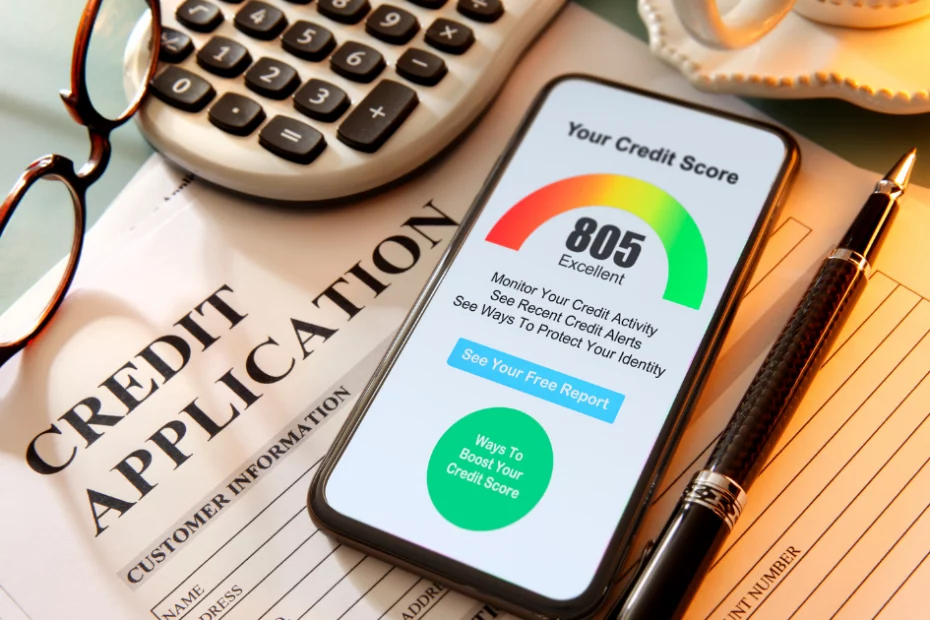
Without a credit history, securing loans for big purchases like a car or home becomes challenging. Lenders use your credit score to assess risk. In countries like the US, a good credit score (typically above 670 on the FICO scale) can mean lower interest rates on mortgages, auto loans, or personal loans.
Similarly, in Canada, your credit score from Equifax or TransUnion influences approval for credit cards or lines of credit.
In Mexico they the Mexican Credit Information Bureau which uses the same model as US FICO score.
No history? You might face higher rates or outright denials.
Renting Housing or Utilities
Landlords and utility companies often check credit reports. In the UK, for instance, a poor or nonexistent credit file could lead to higher deposits for rentals.
In Australia, credit checks are common for leases, and building a positive history helps you avoid being seen as a high-risk tenant.
Employment Opportunities
Some employers, especially in finance or government sectors, review credit reports during hiring. A strong credit history demonstrates responsibility. In the US, for example, federal law allows credit checks for jobs, and a blank slate might raise flags.
Insurance Premiums and Daily Conveniences
Auto and home insurance providers in many countries factor in credit scores. Better credit often equals lower premiums.
Plus, everyday perks like cell phone contracts or store financing require credit approval—without it, you might pay upfront or miss out.
Long-Term Financial Freedom
Building credit early sets you up for future milestones, like buying property or starting a business. For immigrants, it also aids in integration, as a good score opens doors to better financial products.
Globally, credit invisibility affects millions; in the US alone, about 26 million adults are “credit invisible,” per the Consumer Financial Protection Bureau (CFPB).
In short, a solid credit history isn’t just about borrowing, it’s about proving your financial reliability in your new home.
Step-by-Step Process: How to Build Credit History in a New Country
The process varies by country due to different credit bureaus and regulations, but the core steps are similar. We’ll focus on general advice with examples from popular destinations like the US, Canada, UK, and Australia. Always consult local resources for the latest rules. Aim to start within your first few months to avoid delays.
Step 1: Understand the Local Credit System
Before diving in, research how credit works in your new country.
Identify Key Credit Bureaus
In the US, it’s Equifax, Experian, and TransUnion. Canada uses Equifax and TransUnion. The UK has Experian, Equifax, and TransUnion (via Credit Karma). Australia relies on Equifax, Experian, and illion.
Learn Scoring Models
US and Mexico use FICO (300-850) or VantageScore. Canada scores range from 300-900. UK uses a 0-999 scale via Experian.
Check for International Options
Some bureaus recognize foreign credit. For example, Experian in the US partners with Nova Credit to import histories from countries like India, Mexico, or the UK.
Tip: Use free tools like Credit Karma (US/UK/Canada) or AnnualCreditReport.com (US) to monitor progress. In Australia, get a free report from Equifax every three months.
This step takes 1-2 weeks and prevents costly mistakes.
Step 2: Secure Identification and Address Proof
Credit building requires verifying your identity.
Gather Documents
Passport, visa, social security number (or equivalent like SIN in Canada or NI in UK), and proof of address (utility bill or lease).
Apply for Local ID
In the US, get a Social Security Number (SSN) if eligible; otherwise, use an Individual Taxpayer Identification Number (ITIN). In Canada, obtain a Social Insurance Number (SIN). UK requires a National Insurance number. In Mexico you need the FMM.
Open a Bank Account
Most countries require ID for this. Choose banks friendly to newcomers, like Chase or Wells Fargo in the US, or RBC in Canada, or BBVA in Mexico.
Pro Tip: If you’re undocumented or on a temporary visa, some banks offer “international” accounts. Build a relationship by maintaining a positive balance.
Expect this to take 1-4 weeks, depending on bureaucracy.
Step 3: Open a Bank Account and Establish Financial Habits
A checking or savings account is your foundation.
Choose the Right Account
Opt for no-fee accounts with debit cards. In the US, banks like Capital One offer newcomer programs.
Deposit Funds Regularly
Show stability by direct-depositing paychecks.
Use Debit Wisely
While debit doesn’t build credit directly, it helps establish habits. Avoid overdrafts, as they can hurt your score in some systems.
Country-Specific Note: In the UK, “basic bank accounts” are available without credit checks for immigrants.
Monitor for 1-3 months to build a track record.
Step 4: Apply for a Secured Credit Card
This is often the fastest way to start building credit.
What It Is
A secured card requires a deposit (e.g., $200-$500) that becomes your credit limit. Use it like a regular card and pay on time.
Where to Get One
In the US, try Discover it Secured or Capital One Platinum Secured. Canada: Home Trust Secured Visa. UK: Aqua or Capital One Classic. Australia: ANZ Secured Card. In Mexico you can get it from Banbajio.
How It Builds Credit
Payments report to bureaus. Aim for 30% utilization (e.g., spend $60 on a $200 limit) and pay in full monthly.
Tip: After 6-12 months of good use, upgrade to an unsecured card. Avoid cards with high fees.
Apply once settled; approval is high for secured options.
Step 5: Become an Authorized User or Use Credit-Builder Loans
Leverage others’ credit or specialized products.
Authorized User
If a family member has good credit, ask to be added to their card (they control spending). This transfers positive history in the US , Mexico and Canada.
Credit-Builder Loans
Banks like Self (US) or Refresh Financial (Canada) offer loans where you pay installments, building credit as you go.
Alternatives
In the UK, rent-reporting services like CreditLadder report rent payments to bureaus.
Caution
Only do this with trusted people to avoid negative impacts.
This can accelerate building by 3-6 months.
Step 6: Pay Bills on Time and Diversify Credit
Consistency is key.
Set Up Auto-Payments
For utilities, rent, or subscriptions. Services like Experian Boost (US/UK) report these to boost scores.
Diversify
Once established, add a mix of credit types (e.g., installment loans like auto financing).
Monitor and Dispute Errors
Check reports annually and fix inaccuracies.
Global Tip
In Australia, “comprehensive credit reporting” includes positive data like on-time payments, so focus on positives.
Track progress monthly via apps.
Step 7: Avoid Common Pitfalls and Be Patient
Don’t Over-Apply
Too many inquiries hurt scores. Apply one card every three to six months.
Keep Utilization Low
This is the percentage of the credit line you use, if you have $1000 credit line and you use $400, that is 40% of utilization. Under 30% is ideal.
Build Slowly
It takes 3-6 months for a score to appear, 1-2 years for “good” status.
Seek Help
Nonprofits like the Immigrant Financial Services (US) offer free counseling. If you are moving to Mexico you can contact me and I can help you.
Follow these steps diligently for long-term success.
FAQ: How to Build Credit History in a New Country
How Long Does It Take to Build Credit from Scratch?
Typically, 3-6 months for a basic score, but 1-2 years for a strong one. Factors like payment history (35% of FICO score) speed it up.
Can I Transfer My Credit History from My Home Country?
Sometimes. Services like Nova Credit allow imports to the US from select countries. Check with local bureaus.
What If I Don’t Have a Social Security Number?
Use an ITIN in the US. Many countries have alternatives for non-citizens.
Are There Free Ways to Build Credit?
Yes, report rent/utilities via apps, become an authorized user, or use credit-builder accounts.
Does Bad Credit from My Old Country Follow Me?
No, credit doesn’t cross borders automatically, giving you a fresh start.
What Credit Score Is Considered Good in Different Countries?
US/Mexico/Canada: 670+. UK: 881+ (Experian). Australia: 622+ (Equifax). Aim high for best rates.
Can International Students Build Credit?
Absolutely, start with secured cards or student-specific products like Deserve EDU in the US.
What Happens If I Make a Mistake?
Dispute errors quickly. One late payment can drop scores, but consistent good behavior recovers it.
This comprehensive guide on how to build credit history in a new country is designed to help you thrive financially. If you have more questions, consider consulting a financial advisor tailored to immigrants.
Key Takeaways
Building credit history in a new country is a marathon, not a sprint, but it’s achievable with patience and smart strategies.
By understanding local systems, securing essentials, and using tools like secured cards, you’ll unlock better financial opportunities.
Remember, good credit reflects reliability and opens doors to loans, housing, and more. Start today, monitor regularly, and consult professionals if needed.
Whether you’re an immigrant building credit in the US or an expat establishing credit abroad, this guide equips you for success. For personalized advice, reach out to local credit counseling services.