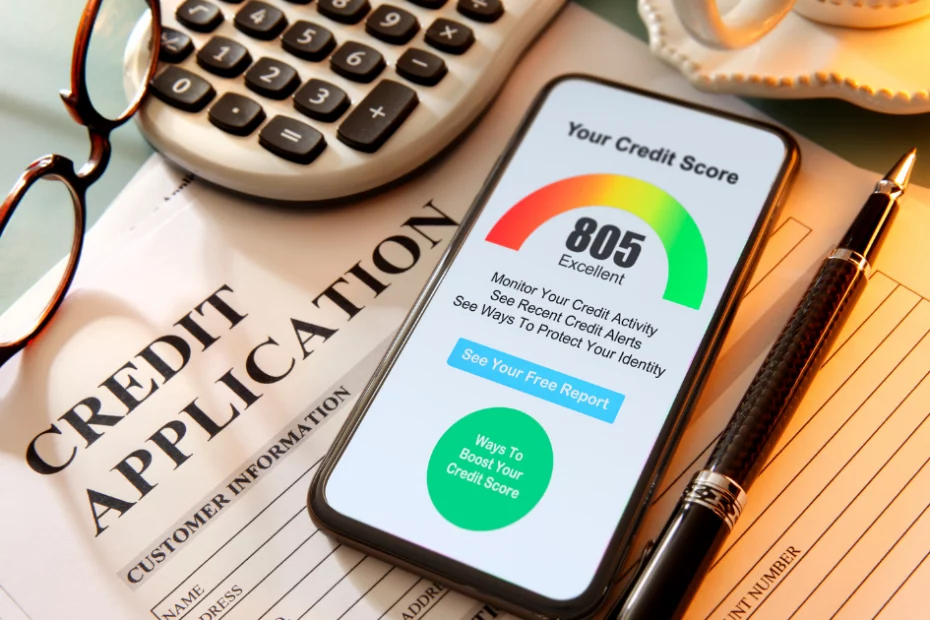
Building a good credit score can unlock opportunities in the financial world. In this post, I will share how to build your credit score from scratch.
Building a credit score can be a slow process. Building your credit score from scratch can appear to be a time-consuming task.
Be patient and utilize these tips to ensure a successful start. In no time, you will find that you have diverse options to equip yourself with.
Why is a good credit score important?
A good credit score (typically a FICO score of 670–739, with 740+ considered very good or excellent on a scale of 300–850) is crucial because it reflects your creditworthiness.
It is a measure of how reliably you’ve managed debt in the past. Lenders, landlords, insurers, and even employers use it to assess risk, often rewarding higher scores with better terms and opportunities.
Here are the main reasons it’s important:
Lower interest rates on loans and credit cards
A higher score qualifies you for the best rates, saving thousands over time. For example, on a 30-year mortgage, borrowers with scores of 760+ often get the lowest rates, while those below 620–639 pay significantly more in interest. This applies to auto loans, personal loans, and credit cards too.
Easier approval for loans and higher credit limits
Having good credit enhances your likelihood of receiving approval for mortgages, auto loans, or credit cards. It can also lead to higher credit limits and better card perks like rewards or cash back.
Better housing options
Landlords frequently check credit scores for rentals. A good score (often 700+ preferred) makes approval easier, reduces security deposits, and gives you more choices.
Lower insurance premium
In many states, auto and home insurers use credit-based insurance scores. Good credit can mean lower premiums, as it statistically correlates with fewer claims.
Utility and cell phone services without deposits
Utility companies and phone providers may waive security deposits or offer better plans if your credit is strong.
Potential job advantages
Some employers (with your consent) review credit reports for roles involving finances. Good credit can signal responsibility.
Maintaining a good score through on-time payments, low credit utilization, and responsible habits can significantly reduce costs and provide opportunities in financial and life decisions. If your score is lower, improving it over time yields big long-term benefits.
How to Build Your Credit Score From Scratch
Here are the five steps you need to follow to build your credit score from scratch.
Find a stable source of income
An old cliche states that banks will give you a loan or credit card only if you have money, which is still true today.
If you want to build a good credit score, you need to have a stable source of income. This can involve starting a business or obtaining a job.
For most people, getting a job that pays you a steady salary is the easiest and best option.
Secure a job that you can envision yourself in for many years. Stability in a job always looks positive as far as credit is concerned.
If you have been working at the same place for many years with a steady incline regarding your paycheck, you will appear to be a stable individual who can make regular payments.
Obtain a Bank Account
After having a steady source of income, you need to open a bank account. Obtaining a bank account should also be at the top of your “to-do” list.
Any bank account is fine. The point is to open one and maintain activity.
These records will prove that you can keep a bank account running, along with its transactions and deposits.
Obtain a Credit Card
If you do not yet have one, obtaining a credit card is a goal you should make. This is essential to make your dreams of building your credit come true.
There are many options when you are searching for credit cards. Be sure to do your research and find the credit card that is the right fit for you.
If you have a bad credit score or do not have any, I recommend getting a secured credit card.
A secured credit card requires a cash security deposit when you open an account.
The deposit reduces the risk to the credit card issuer: If you don’t pay your bill, the issuer can take the money from your deposit. These cards are available to people with bad or no credit.
After six months of good use of your secured credit card, you should have a better credit score and be ready to get an unsecured credit card.
There are many types of credit cards, from high-interest with no fees to those with low interest for individuals who tend to carry a balance to credit cards with a reward point system.
There is no universally applicable credit card, so it’s important to explore your options and seek feedback from friends and family about their experiences with various credit cards.
Pay Your Credit Card on Time
Having a credit card does not mean you have an extra source of income. Credit cards are short-term loans, and make sure you use them correctly.
Once you have your credit card, make it a priority to pay it on time monthly.
It was believed that you should keep a balance on your credit card to build credit, but that has now proven false.
A better way to build your credit is to pay on time and in full if possible. This will indicate that you are trustworthy and can make regular payments on time.
Live within Your Means
Having a credit card doesn’t mean you earn more; you just use it to build your score. Do not start buying things you do not need just because you have a higher line of credit.
One of the best pieces of advice to someone who wants to build credit is to live within their means and not overspend.
It won’t do your credit any good to have a job, bank account, and credit card if you are constantly in debt and not paying it off in time. Instead, live frugally and stick to your budget.
Conclusion
That concludes the process of establishing your credit score from the beginning. Building a credit score from scratch does not have to be difficult. It simply takes a bit of planning and lots of patience.
By following these steps, you can effortlessly establish a credit score from the beginning, bringing you one step closer to your future aspirations.