



I have been living in Mexico since 2011. During this time, I have built my credit history, faced challenges, and had to start anew. I got some of the premium credit cards you can get here. I bought a house using the Mexican mortgage system.
All of my financial success started with a simple decision when I decided to build my credit history in this country. This post will show foreigners how to build a credit history in Mexico from scratch.
Read: How to Build Credit History in a New Country
Why do you need a credit history?
As an expat living in Mexico, establishing a solid credit history is one of the most important financial steps you can take.
Whether you’re planning to buy property, finance a vehicle, or simply access better financial products, building credit from scratch in Mexico requires understanding a different system with specific rules and procedures.
Many foreigners arrive with excellent credit histories in their home countries only to discover they’re starting at zero in Mexico’s financial ecosystem.
This comprehensive guide walks you through every step of building Mexican credit history as a foreigner, from essential documentation to strategic credit-building techniques.
We’ll cover the unique aspects of Mexico’s credit bureaus, explain the critical documents you need, and provide a proven roadmap that thousands of expats have successfully followed to establish strong credit profiles in their new home.
Understanding Mexico’s Credit System
The Key Credit Bureaus
Mexico operates with two primary credit reporting agencies that lenders consistently use:
Buró de Crédito
The largest and most widely used credit bureau in Mexico is similar to Experian in the United States. Founded in 1996, it maintains credit histories for millions of individuals and businesses.
Círculo de Crédito
The second major bureau, established in 2005, has gained significant market share and is used by many financial institutions for credit evaluations.
Banks, department stores, and other lenders provide payment history, credit inquiries, and account information to both bureaus.
One or both of these agencies receive reports on your payment behavior, which forms your Mexican credit history.
How Credit Scores Work in Mexico
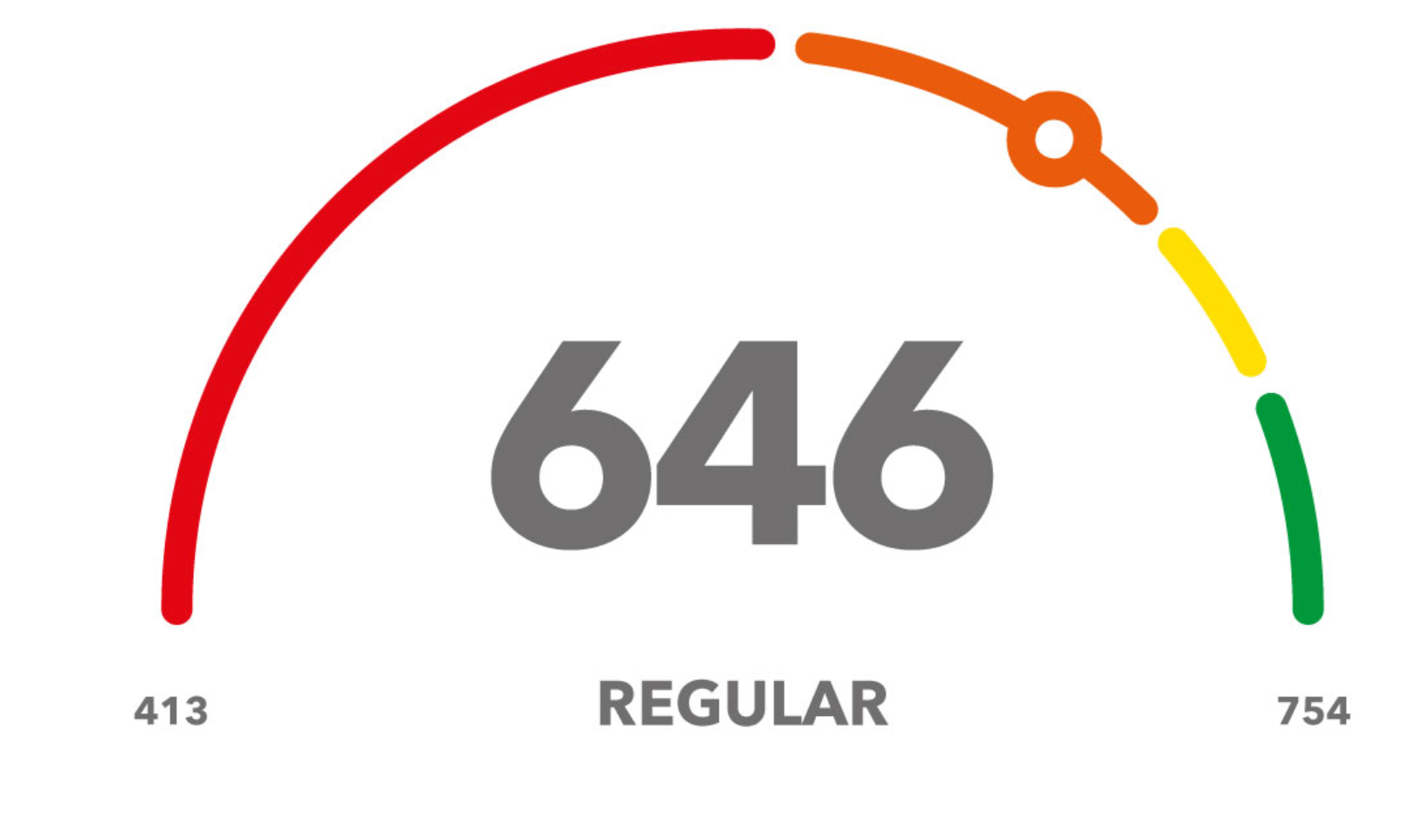
Mexican credit scores, known as “puntaje crediticio,” range from approximately 400 to 760 points:
- Below 500: Poor credit – Difficulty obtaining any credit
- 500-650: Fair credit – May qualify for some secured products
- 650-700: Good credit – Qualify for most standard credit products
- 700+: Excellent credit – Best interest rates and terms
Unlike some countries where multiple factors heavily influence scores, Mexican credit scoring places particular emphasis on consistent, on-time payments and credit utilization ratios.

Critical Differences from Other Credit Systems
- No universal identification number: While your CURP (Clave Única de Registro de Población) is used extensively, different institutions may use different identification combinations.
- Strong emphasis on proof of address: Utility bills in your name are crucial verification documents.
- Limited data sharing: Some payment histories (like rent) typically don’t get reported unless you use specialized services.
- Different reporting cycles: Information updates may follow different schedules than you’re accustomed to.
Essential Documentation for Foreigners
Residency Status: Your Most Important Asset
Your immigration status has a significant effect on your ability to establish credit.
Residencia Permanente (Permanent Residency)
The gold standard for credit applications. Lenders view permanent residents as stable, long-term residents with strong ties to Mexico.
Residencia Temporal (Temporary Residency)
Generally acceptable for most credit applications, especially if you have at least one year remaining on your residency card.
Visitante (Tourist Status)
Extremely difficult to build credit. Most financial institutions require at least temporary residency status.
Required Documents Checklist
Primary Identification:
- Residency card (Tarjeta de Residencia)
- Valid passport from your home country
Proof of Address (Comprobante de Domicilio):
- CFE electricity bill (most widely accepted)
- Water bill
- Property tax receipt
- Bank statement from a Mexican bank
- Note: Documents must typically be less than 3 months old and show your exact address
Proof of Income:
- For employees: Recent pay stubs (recibos de nómina) and employer letter
- For self-employed: Bank statements showing regular deposits, tax receipts (CFDIs), and proof of SAT registration
- For retirees/rentiers: Pension statements, investment income documentation, or rental contracts
Additional Important Numbers:
- CURP (Clave Única de Registro de Población)—Your unique population registry code
- RFC (Registro Federal de Contribuyentes)—Tax identification number (important for larger loans)
Step-by-Step Credit Building Strategy
Phase 1: Foundation Building (Months 1-3)
Open a Mexican Bank Account
Start with a basic checking or savings account at a major bank. BBVA, Santander, and Banamex (Citibanamex) are particularly expat-friendly and have English-speaking staff at certain branches. When opening your account:
- Use all your documentation (residency card, proof of address, proof of income)
- Consider starting with a “cuenta básica” if available, which may have simpler requirements
- Ask about connecting your account to a debit card with widespread acceptance
- Set up online banking immediately to manage your account efficiently
My recommendation is to open a bank account in bigger cities. This is because in the interior of Mexico, or where foreigners are not frequent, most bank workers have no idea what to do, and this will reduce your user experience and it may make the process even longer.
When it comes to banks, I recommend BBVA. If you can afford it, consider opening the premium account, which is free to open but requires a minimum monthly average balance of at least 5000 Mexican pesos (about 280 USD).
Establish Financial Patterns
Even before getting credit, demonstrate financial responsibility:
- Make regular deposits into your account
- Pay any bills through your bank account (if applicable)
- Avoid overdrafts or negative balances
- Maintain a stable, growing balance when possible
Phase 2: Initial Credit Access (Months 3-6)
If you open an account with BBVA, they will offer you a Visa Classic or Visa Gold credit card within 90 days. This happened to me and many others who followed my advice; the trick here is to have frequent movements on your debit card.
this will show the bank that you have money and you can use the card. BBVA usually offers the credit card on the first Monday of each month, so keep checking the app for 90 days; you will see the offer sooner or later.
If after 90 days you do not see an offer, you can go with the secured credit card.
Apply for a Secured Credit Card (Tarjeta de Crédito Garantizada)
This is your most important step. A secured card requires a cash collateral deposit that typically equals your credit limit. For example, deposit $10,000 MXN to receive a $10,000 MXN limit.
Best options for foreigners:
- Banbajio Tarjeta de crédito Garantizada.
- NU bank credit card
Application Process:
- Visit your primary bank branch where you have your account
- Request information about their secured card program
- Complete the application with assistance from an English-speaking representative if needed
- Provide the required security deposit (held in a separate, blocked account)
- Wait for approval, which typically takes 7-10 business days
Responsible Usage Strategy:
- Use only 20-30% of your credit limit each month
- Make small, regular purchases (groceries, gas, occasional dining)
- ALWAYS pay the full balance (“Pago Para No Generar Intereses”) before the due date
- Set up automatic payments (pago automático) from your checking account
- Never miss a payment, even by one day
Phase 3: Credit Growth and Diversification (Months 6-18)
After 6 months of perfect payment history:
After 6 months of good use of your credit card, you can request a regular credit card, depending on your spending habits.
Some of the cards I would recommend are
Inbursa American Express Black
This card is excellent for travelers, as it provides unlimited priority pass access for you and two additional people, making it ideal for married couples.
It has the annual fee of 2500 MXN, about 130 usd.
HSBC 2NOW
This gives you 2% cashback on all your purchases for the first 2100 USD. this is a good card for daily use. It is free if you spend at least 35000 MXN per month.
American Express Platinum card
This card is pricier than the US version, which offers fewer benefits, but if you use credit cards often, it can be worth it. The annual fee is approximately 1300 USD plus a 16% tax, so it is not cheap.
Monitoring and Maintaining Your Credit
How to Access Your Credit Reports
Free Annual Reports:
By law, you’re entitled to one free report per year from each bureau:
- Buró de Crédito: Visit www.burodecredito.com.mx and navigate to “Solicita tu Reporte de Crédito Especial.”
- Círculo de Crédito: Visit www.circulodecredito.com.mx and look for “Obtén tu Reporte Anual Gratuito.”
Identification Process:
You’ll need to verify your identity through:
- CURP
- Full name
- Date of birth
- Address history
- Possibly answer security questions about your credit history
Paid Monitoring Services:
Consider services like
- Buró de Crédito’s Alertas—Monthly monitoring service
Disputing Errors on Your Report
If you identify inaccuracies:
- Document the specific error with evidence
- Contact the credit bureau through its online dispute system
- Notify the lender who reported the incorrect information
- Follow up persistently until corrections are made
Special Considerations for Foreigners
Tax Status and Credit
Your relationship with SAT (Mexico’s tax authority) can impact creditworthiness:
RFC Registration: While not required for basic credit cards, having an RFC (tax ID) and demonstrating tax compliance becomes increasingly important for:
- Auto loans
- Mortgage applications
- Business credit
- Higher-limit credit cards
Tax Residency: If you spend 183+ days in Mexico or have your “center of vital interests” in the country, you may be considered a tax resident, which lenders view favorably as it demonstrates long-term commitment.
Common Pitfalls to Avoid
High Utilization Traps:
Mexican credit scoring is particularly sensitive to high credit utilization. Consistently using more than 50% of your available credit can significantly damage your score, even if you pay in full each month.
Cultural Differences in Credit Assessment:
- Stability is valued: Frequent address or job changes raise red flags
- Face-to-face relationships matter: Building rapport with bank staff at your local branch can help with future applications
- Documentation is paramount: Missing or inconsistent documents can derail applications
The Co-signer Dilemma:
While having a Mexican national co-sign can help initially, it creates complications:
- Their credit is equally responsible for your debt
- It doesn’t build your independent credit history as effectively
- Relationship strains can occur if payments are missed
- Removing a co-signer later can be difficult
Accelerating Your Credit Building
Strategic Approaches for Faster Results
The Multiple Secure Card Strategy:
After 6 months with one secured card, consider opening a second secured card at a different institution. This:
- Increases your total available credit
- Adds another positive payment history
- Demonstrates ability to manage multiple accounts
Become an Authorized User:
If you have a trusted relationship with someone (spouse/partner) who has established Mexican credit, being added as an authorized user on their account may help, though results vary by how the lender reports.
Leverage International Banking Relationships:
Some global banks with a Mexican presence (HSBC, Citibank) may consider your international relationship when evaluating applications. Ask about:
- Global client programs
- International credit history consideration (not common, but worth inquiring)
- Premium client benefits that transfer across borders
FAQ: How To Build Credit History In Mexico From Scratch As A Foreigner
How long does it take to build good credit in Mexico?
With a secured card and perfect payment history, you can establish a fair credit score (600+) in 6-9 months. Building good to excellent credit (700+) typically takes 18-24 months of consistent, responsible credit use.
Can I transfer my credit history from my home country to Mexico?
Generally, no. Mexico’s credit bureaus operate independently and don’t import international credit histories. Although you’re starting from the beginning, certain premium banking relationships may take into account your global client status.
What if I have temporary residency, but it expires soon?
Renew your residency before applying for significant credit. Lenders want at least 12–24 months of remaining validity on residency cards for major loans.
Are there credit-builder loans in Mexico?
Not in the traditional sense, but secured credit cards function similarly. Some smaller financial institutions (sofomes) offer small loans specifically designed to build credit, but research them carefully as terms vary widely.
How often should I check my Mexican credit report?
Check your reports from both bureaus annually (free) or consider paid monitoring if you’re actively building credit or planning major applications.
Do utility bills build credit in Mexico?
Generally, this is not the case, unless you opt for a specialized reporting service. However, consistent utility payments in your name help establish your financial identity when applying for credit.
What’s the fastest way to ruin my Mexican credit?
Missing payments, particularly on secured cards or department store cards with high interest rates, can significantly damage your Mexican credit. Even one 30-day late payment can significantly impact your score for years.
Can I build credit as a digital nomad without traditional employment?
Yes, but you’ll need to provide consistent bank statements showing regular income deposits and consider registering with SAT (getting an RFC) to demonstrate formal income recognition.
Conclusion
Building credit in Mexico as a foreigner is a systematic process that requires patience, documentation, and financial discipline.
While starting from zero can feel daunting, thousands of expats successfully navigate this journey each year by following the essential steps: securing proper residency status, opening bank accounts, obtaining secured credit cards, and maintaining impeccable payment habits.
Remember that Mexico’s credit system values stability and consistency above all else. Your residency status, consistent address, and regular income serve as the foundation for building your credit history.
The secured credit card strategy remains the most reliable path for foreigners, transforming your cash deposit into a tool for establishing proven creditworthiness.
As you progress from secured to unsecured credit products, continue monitoring your reports, maintain low credit utilization, and diversify your credit mix strategically.
Within 18–24 months of consistent effort, you’ll likely have established a solid credit history that opens the door to better rates on auto loans, mortgages, and premium credit cards.
The key is to start early, stay organized with your documentation, and never underestimate the power of on-time payments. Y
our Mexican credit history is not just a financial profile—it’s a reflection of your stability and commitment to your life in Mexico. Build it carefully, and it will serve you well for years to come.