
Most people believe wealth is a math problem.
Earn more. Save more. Invest more.
But after years of watching people work hard, earn well, and still end up financially stuck, I’ve come to a different conclusion:
Wealth failure is almost always psychological.
It’s psychological.
The biggest obstacles to building real, lasting wealth for future generations aren’t reflected in bank statements. They live quietly in the mind.
They shape decisions before money ever moves. And because they’re invisible, most people never confront them.
That’s why generations repeat the same outcomes.
This article isn’t about tactics. It’s about the mental blocks that quietly sabotage wealth over the course of decades. If you don’t dismantle these first, no strategy will save you.
Why Most People Never Build Posterity Wealth
I didn’t grow up around wealth.
I grew up around survival.
Money was something you chased, spent, worried about, and hoped would be enough. The idea that money could become a system, something that worked for you across generations, wasn’t part of the environment.
And that’s the point most people miss.
We don’t inherit wealth first.
We inherit beliefs about money.
Those beliefs become rules.
Those rules become habits.
Those habits quietly determine outcomes.
Posterity wealth that outlives you requires a complete shift in how you think, not just how you earn.
Before we talk about the blocks, we need to be clear on what we’re actually trying to build
What Is Posterity Wealth? (And Why Mindset Comes First)
Posterity wealth is not about being rich.
It’s not about flashy assets, social proof, or early retirement selfies.
Posterity wealth is wealth that survives you.
It’s money structured to:
- Outlive your labor
- Outlast market cycles
- Support future generations
- Transfer knowledge, not just assets
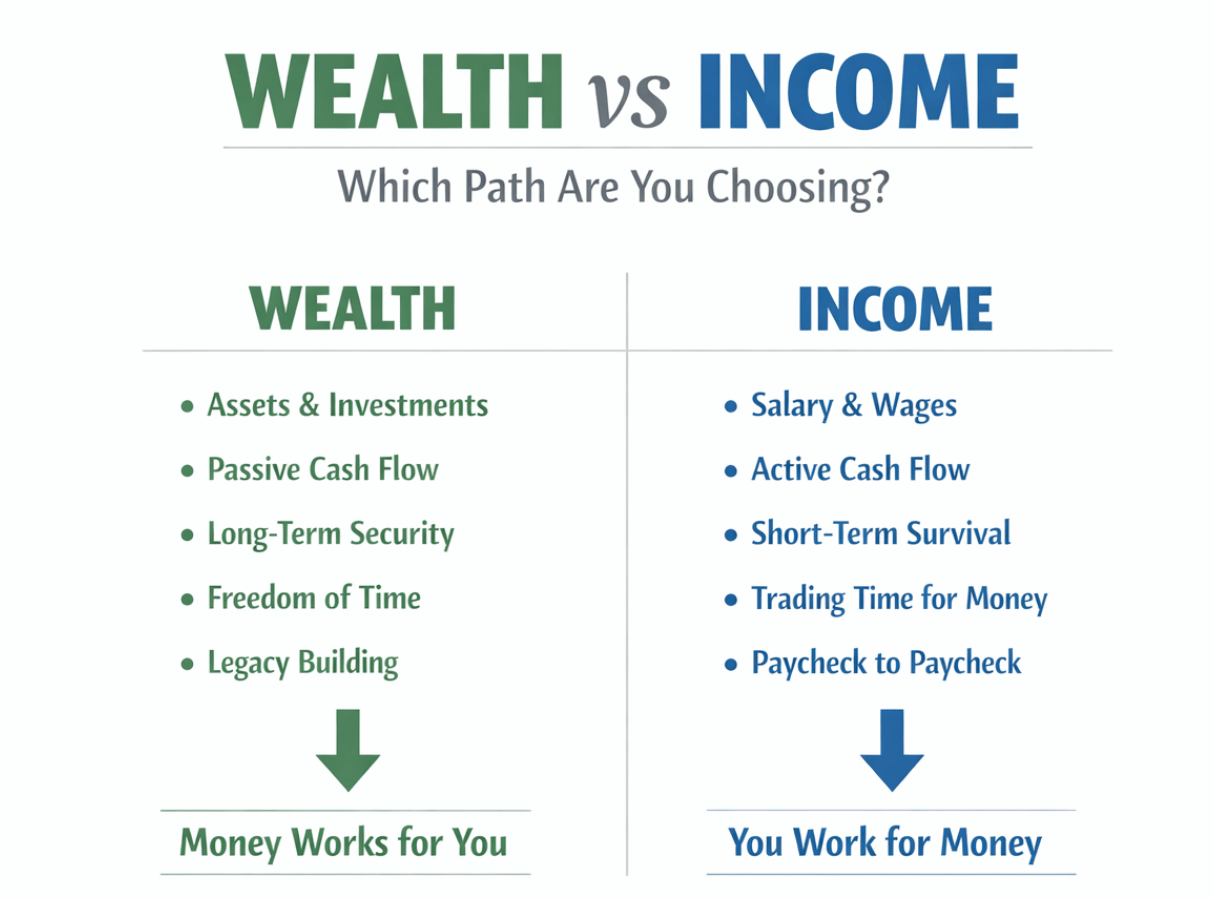
Income feeds life.
Wealth buys time.
Posterity wealth builds a legacy.
And a legacy is never built accidentally.
That’s why mindset comes first. You can’t build long-term systems with short-term thinking. You can’t design generational outcomes with survival-level beliefs.
5 Hidden Mental Blocks Keeping You From Building Posterity Wealth
If you’re stuck in the grind, wondering why posterity wealth feels out of reach, it might be one of these five hidden mental blocks holding you back. Let’s dive in and uncover them so you can start building legacy-building habits today.
This brings us to our first mental block.
Short-Term Thinking in a Long-Term Game
This is the most common and most destructive block.
Most people make financial decisions using a months-long time horizon in a decades-long game.
They ask:
- “How fast can I make money?”
- “What’s the quickest return?”
- “How soon will this pay me back?”
Posterity wealth asks a different question:
“What does this decision look like in 25 years?”
Short-term thinking creates:
- Overtrading
- Constant strategy switching
- Chasing returns instead of building foundations
- Emotional decision-making
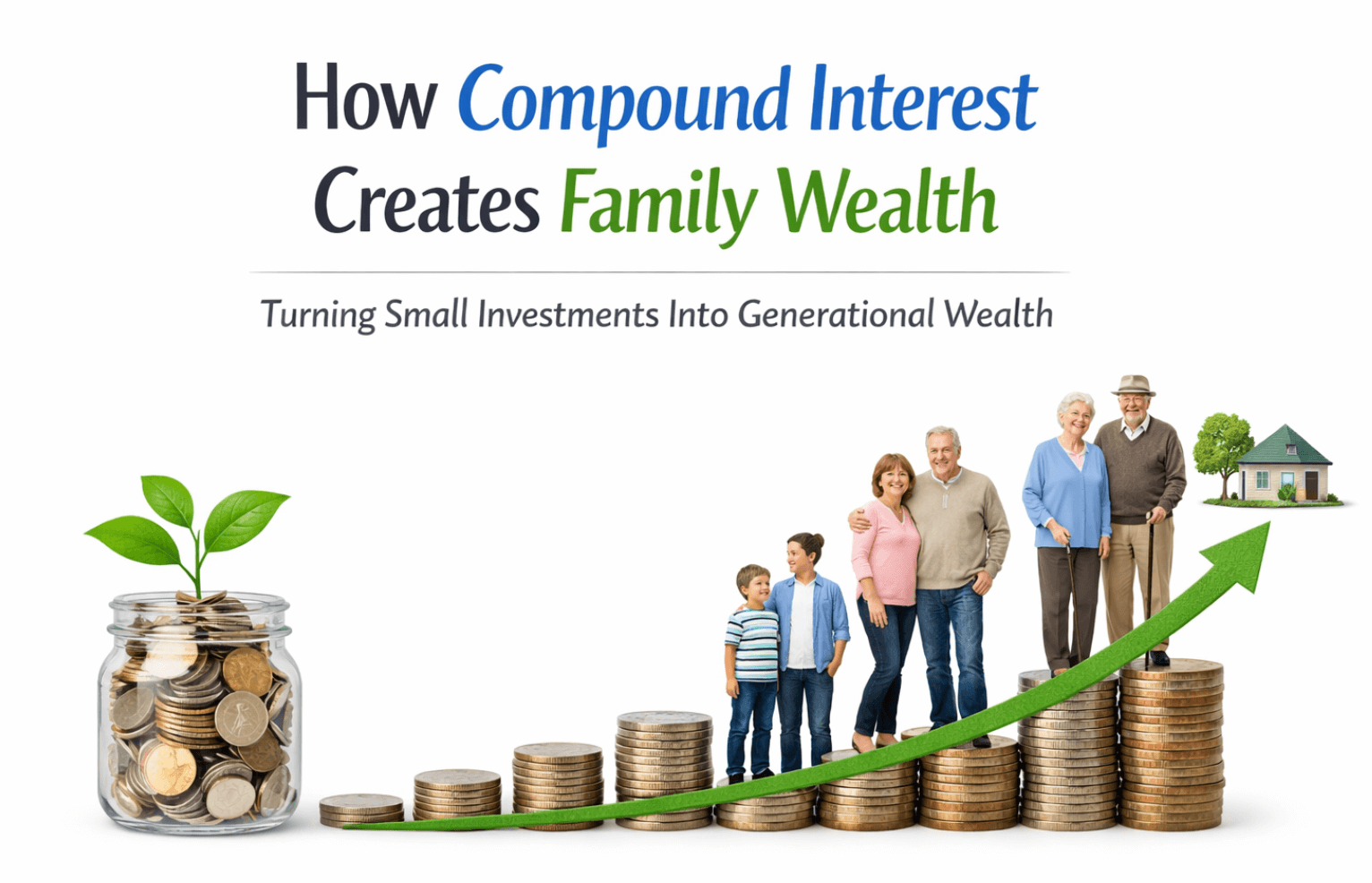
Compounding doesn’t reward urgency.
It rewards patience, consistency, and time.
When you optimize for speed, you sacrifice durability. When you optimize for durability, speed eventually follows.
Wealth is slow at first by design. That slowness filters out people who shouldn’t win.
Once you accept that building wealth for future generations is a multi-decade project, your decisions will change:
- You stop panicking during downturns
- You stop chasing trends
- You start building systems
Short-term thinking keeps money small because it never lets time do its job.
Confusing Income With Wealth
This one traps high earners more than anyone else.
A large income feels like success. And for survival, it is. But income and wealth are not the same thing.
Income is what you earn.
Wealth is what you keep, grow, and control.
Many people earn more every year and still:
- Depend entirely on a job
- Have no systems that operate without them
- Increase expenses as fast as income rises
This is how people make six figures and still feel fragile.
Income without structure creates:
- Lifestyle inflation
- Dependency on constant performance
- Fear of losing the paycheck
Posterity wealth requires income conversion:
The process involves transforming earned money into assets, systems, and ownership that don’t require daily effort.
Until income is transformed into something that survives your absence, you’re not building wealth—you’re renting comfort.
The goal isn’t more income.
The goal is less dependence on income.
Fear of Losing Money Keeps You Poor
Fear feels responsible.
Avoiding loss feels smart.
But fear, when unchecked, quietly freezes progress.
Most people aren’t afraid of risk.
They’re afraid of looking stupid, being wrong, or losing identity.
So they:
- Stay in cash forever
- Avoid investing unless certainty exists
- Wait for “perfect timing.”
Here’s the uncomfortable truth:
Avoiding all risk is itself a guaranteed financial strategy toward stagnation.
Posterity wealth doesn’t require reckless risk.
It requires calculated, asymmetric risk:
- Limited downside
- Meaningful upside
- Long time horizons
The wealthy don’t avoid risk.
They design risk.
They diversify.
They study.
They move when probabilities favor them.
They accept short-term discomfort for long-term control.
Fear locks money in place.
Movement is required for compounding.
Outsourcing Responsibility to Institutions
This belief is subtle, socially accepted, and extremely dangerous.
It sounds like:
- “My job will take care of me.”
- “The government will provide.”
- “Pensions exist for this.”
- “The system is designed to protect us.”
No system is designed to build your posterity wealth.
Institutions optimize for stability, not legacy.
They provide floors, not ceilings.
When responsibility is outsourced:
- Decision-making weakens
- Financial literacy stagnates
- Dependency grows
Posterity wealth requires ownership and control, not permission.
This doesn’t mean rejecting institutions.
It means not depending on them.
You must become the architect of your own financial system:
- Your own investments
- Your own safeguards
- Your own long-term planning
No institution cares about your grandchildren’s outcomes more than you do.
Believing Wealth Is Not “For People Like You”
This is the deepest block.
This belief is particularly challenging to acknowledge and accept.
It’s the silent belief that:
- “People like us don’t get rich.”
- “That’s for another class.”
- “I wasn’t born into that world.”
This belief isn’t logical.
It’s inherited.
Family history, environment, and early experiences quietly set identity ceilings.
People usually underperform their self-image.
If you don’t see yourself as a long-term wealth builder, your decisions will sabotage you—no matter how smart you are.
Breaking this block doesn’t require rejecting where you came from.
It requires refusing to let it define where you’re going.
Posterity wealth often begins with one generation deciding:
“This ends with me.”
How These Mental Blocks Compound Against You Over Time
The damage of these blocks isn’t immediate.
That’s why they’re so dangerous.
They compound quietly
- Small decisions repeated
- Years lost to hesitation
- Opportunities avoided
- Capital misallocated
Over 30 years, mindset matters more than returns.
Two people with the same income, the same market conditions, and the same opportunities end up in completely different places because of their belief-driven behavior.
Time magnifies mindset.
How to Start Dismantling These Mental Blocks
This doesn’t start with action.
It starts with awareness.
Step 1: Audit Your Beliefs
Ask:
- How do I think about time?
- Do I optimize for comfort or durability?
- Where did these beliefs come from?
Step 2: Rewrite the Rules
Replace:
- “Fast money” → “Durable systems”
- “Security” → “Control.”
- “Income” → “Assets”
Step 3: Align Behavior With Legacy
Every financial decision should answer one question:
Does this move me closer to independence and generational impact?
Step 4: Build Systems, Not Hustles
Hustles die.
Systems compound.
Posterity wealth is boring by design.
Read: How to activate your mind so that you can create generational wealth.
What Building Posterity Wealth Actually Looks Like
It doesn’t look impressive early.
It looks like
- Saying no to lifestyle upgrades
- Reinvesting when others spend
- Being patient when others brag
- Teaching instead of flexing
It’s quiet.
It’s slow.
It’s intentional.
And then, one day, it’s undeniable.
FAQ: Building Posterity Wealth
What is posterity wealth?
Posterity wealth is wealth intentionally designed to outlive the person who created it. It goes beyond income and net worth and focuses on long-term systems, assets, and financial education that benefit future generations. Unlike short-term wealth, posterity wealth prioritizes durability, control, and legacy over speed and lifestyle.
Why do most people fail to build generational or posterity wealth?
Most people fail not because they lack income, but because they operate with mental blocks like short-term thinking, fear of risk, dependency on institutions, and limiting identity beliefs.
These psychological barriers shape financial behavior over decades and quietly prevent compounding from ever taking effect.
Is mindset really more important than money when building wealth?
Yes. Money amplifies behavior, but mindset determines behavior. Without the right mental framework, higher income often leads to higher expenses, greater dependency, and increased financial fragility. Posterity wealth begins with long-term thinking, patience, and system-building, not with earning more.
Can you build posterity wealth if you start with nothing?
Absolutely. Many builders of generational wealth started with a few financial resources. What matters most is time, consistency, disciplined reinvestment, and belief in long-term outcomes.
Starting early with small amounts and the right mindset often outperforms starting late with large sums.
How long does it take to build posterity wealth?
Posterity wealth is typically built over decades, not years. While early progress may feel slow, compounding accelerates over time. Most meaningful wealth outcomes appear after 15–25 years of consistent system-building and reinvestment.
What’s the difference between income and wealth?
Income is money you earn through active effort. Wealth is money and assets that work for you independently of your time.
Posterity wealth goes one step further by ensuring those assets continue producing value for future generations.
Why is short-term thinking so harmful to wealth building?
Short-term thinking prioritizes quick results over durable systems. This leads to chasing trends, overtrading, emotional decision-making, and abandoning strategies too early. Wealth compounds when decisions are optimized for decades, not months.
Is avoiding risk a smart financial strategy?
Avoiding reckless risk is wise, but avoiding all risk guarantees stagnation. Inflation, missed opportunities, and lack of asset growth quietly erode wealth. Posterity wealth requires calculated, intentional risk with long time horizons and asymmetric upside.
Do jobs, pensions, or governments build posterity wealth?
No. These systems are designed to provide baseline stability, not generational wealth. While they can play a role, relying on them entirely creates dependency. Posterity wealth requires personal ownership, control, and self-directed financial systems.
What are the first steps to start building posterity wealth today?
The first steps are mental, not tactical:
- Shift to long-term thinking
- Separate income from wealth creation
- Begin converting surplus income into assets
- Commit to consistent reinvestment
- Design systems that function without daily effort
Is posterity wealth only for the rich?
No. Posterity wealth is not about starting capital, it’s about starting perspective. Wealthy families stay wealthy because of beliefs, systems, and education, not luck. Anyone willing to adopt long-term thinking and disciplined behavior can begin building posterity wealth.
How do I teach posterity wealth to the next generation?
You teach it primarily through example. Children learn more from observing financial behavior than from instructions.
Involving them in discussions about assets, long-term planning, and delayed gratification builds financial literacy that compounds across generations.
What is the biggest mistake people make when trying to build wealth?
The biggest mistake is focusing on tactics before mindset. Strategies fail when beliefs conflict with long-term behavior. Posterity wealth requires patience, discipline, and identity alignment before optimization.
Conclusion: Posterity Wealth Is Built First in the Mind
Money follows belief.
Always.
If you don’t confront these mental blocks, you’ll repeat the same financial patterns no matter how much you earn.
But once you see them, you can’t unsee them.
Posterity wealth begins the moment you decide to think beyond yourself, beyond comfort, beyond now.
That decision changes everything.